This is paragraph text. Click it or hit the Manage Text button to change the font, color, size, format, and more. To set up site-wide paragraph and title styles, go to Site Theme.
New Paragraph
This is paragraph text. Click it or hit the Manage Text button to change the font, color, size, format, and more. To set up site-wide paragraph and title styles, go to Site Theme.
Buying real estate has long been called one of the safest ways to build wealth. But when it comes to rental homes, the big question remains: is rental property a good investment? The short answer is yes, it can be. The longer answer is that it depends on timing, location, costs, and how you manage the property.
In this guide, we break down the pros, cons, and key factors to consider when investing in rental properties. We also cover how to determine if a rental is worth your money and why working with experts who specialize in turnkey rental home construction can help you maximize returns with less stress.
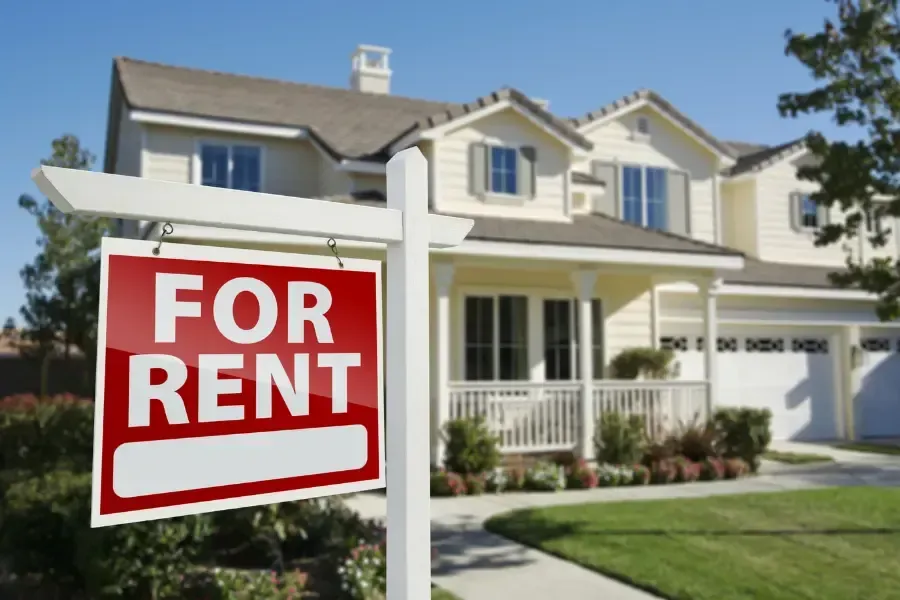
Why Rental Property Can Be a Strong Investment
When asking, “is investing in rental property a good investment?” it helps to start with the benefits.
- Steady income stream: Rent checks can create predictable monthly cash flow.
- Appreciation: Real estate often grows in value over time, especially in growing cities.
- Tax benefits: Deductions for mortgage interest, property taxes, maintenance, and depreciation reduce taxable income.
- Leverage: With financing, you can control a property worth much more than your down payment.
- Inflation hedge: Rents usually rise along with inflation, protecting your income.
For many investors, these advantages make rental property investment an appealing long-term play.
The Risks: Why Rental Property May Not Work for Everyone
So, is buying rental property a good investment every time? Not quite. Here are the risks to keep in mind:
- Vacancies: No tenants means no rent, but the mortgage and expenses remain.
- Unexpected repairs: A leaky roof or broken HVAC can erase profits.
- Market swings: Property values can drop in economic downturns.
- Tenant issues: Late payments, evictions, and property damage can hurt returns.
- Management stress: Being a landlord means handling phone calls, maintenance, and complaints unless you hire a manager.
Knowing both the upside and downside helps you make a smarter decision about how to start investing in rental properties.
How to Determine If Rental Property Is a Good Investment
To move beyond theory, you need to look at the numbers. Here’s a step-by-step method:
1. Calculate Cash Flow
Subtract your monthly expenses, such as mortgage, taxes, insurance, maintenance, and management fees, from rental income. A positive number means positive cash flow.
2. Look at the 1% Rule
Many investors use the “1% rule.” If the monthly rent is at least 1% of the purchase price, it may be worth considering. For example, a $200,000 property should rent for at least $2,000.
3. Consider Cap Rate and ROI
Cap rate = Net operating income ÷ Property price. This shows your potential return. Compare it to other investment options before making a decision.
4. Factor in Long-Term Value
Ask yourself: Will the neighborhood grow? Are new schools, businesses, or jobs moving in? Future demand often drives appreciation.
When you know how to determine if rental property is a good investment, you avoid costly mistakes.
Market Trends That Impact Rental Investments
Timing and location can make or break a deal. Here are factors to watch:
- Population growth: Areas attracting new residents often have rising rental demand.
- Employment trends: Cities with stable or growing job markets are safer bets.
- Housing supply: Limited supply pushes rents up.
- Local regulations: Rent control laws, permitting delays, and zoning can cut into profits.
- Interest rates: Higher rates raise borrowing costs, lowering cash flow.
If you are asking, “is rental property a good investment right now?” check these trends first.
How to Start Investing in Rental Properties: A Beginner’s Guide
If you are new, the process may feel overwhelming. Here is a simple roadmap:
- Decide your goal: Do you want steady monthly income, long-term appreciation, or both?
- Pick your strategy: Buy-and-hold, short-term rentals, or turnkey rental construction.
- Secure financing: Compare mortgages, explore FHA or conventional loans, and consider private or hard money lenders if needed.
- Find the right market: Look for growing cities with strong rental demand, low vacancy rates, and job growth.
- Run the numbers: Check cash flow, ROI, and potential appreciation.
- Build your team: Work with real estate agents, contractors, and property managers.
- Start small: Many investors begin with a single-family rental before scaling to multiple properties.
The Role of Turnkey Rental Home Construction
One of the biggest challenges for investors is finding a property that is rental-ready. Many homes need rehab, updates, or costly repairs before tenants can move in. This is where turnkey rental construction offers a solution.
Turnkey homes are built with tenants in mind. They are new, efficient, and designed to minimize maintenance. Instead of spending time fixing old issues, you get a property that is ready to start generating income right away.
For out-of-state investors or anyone working under tight timelines, this model is especially valuable. You save time, reduce risk, and get a property that aligns with your financial goals.
Final Thoughts: Is Rental Property a Good Investment?
So, is rental property a good investment? The answer depends on your research, goals, and ability to manage risk. Rental homes can generate steady cash flow, build long-term wealth, and offer tax advantages. Yet they also come with challenges, from market downturns to management headaches.
The key is knowing how to evaluate each deal, choosing the right market, and building with long-term success in mind. If you do, investing in rental properties can be one of the smartest moves you make for financial freedom.
How First Coast Construction USA Can Help
At First Coast Construction USA, we specialize in building turnkey rental homes that are designed for investors who want reliable returns without the hassle. Our team understands the numbers behind real estate, from rehab costs to rental readiness, and we deliver properties that are durable, efficient, and profitable. Based in St. Augustine, FL, we bring hands-on craftsmanship, local expertise, and transparent service to every project. Whether you are new to real estate or expanding your portfolio, you can trust us to build rental homes that perform. Call us today at 904-400-3121 to get started.