
If you’re planning to add an Accessory Dwelling Unit (ADU) to your property, one of the first questions you’ll likely ask is: how long does it take to build an ADU? The answer depends on several factors, including design complexity, permitting requirements, contractor availability, and weather conditions.
While every project is unique, most homeowners can expect the ADU construction timeline to range from 6 to 12 months from initial planning to final move-in. Understanding each stage of the process helps you set realistic expectations and avoid surprises along the way.
Here’s a detailed, step-by-step breakdown of the ADU project timeline so you know what to expect.
1. Initial Planning and Feasibility (2 to 4 Weeks)
The first phase focuses on determining whether building an ADU is practical for your property. This stage includes:
- Evaluating local zoning regulations
- Checking lot size and setbacks
- Determining utility access
- Setting a realistic budget
- Identifying your ADU goals (rental, guest house, home office)
During this step, you may consult with a contractor, architect, or ADU specialist to assess feasibility. Some homeowners move quickly, while others spend more time refining their vision.
What can delay this phase?
- Unclear project goals
- Budget adjustments
- Researching financing options
What speeds it up?
- Having a defined purpose and budget upfront
- Working with professionals experienced in ADU planning
2. Design and Architectural Drawings (4 to 8 Weeks)
Once feasibility is confirmed, the next step in the timeline for building an ADU is design. This includes:
- Floor plan development
- Exterior style selection
- Structural engineering
- Site planning
- Energy compliance requirements
Your architect or designer will create detailed construction drawings required for permit submission. Custom designs typically take longer than pre-approved or standard plans.
Potential delays:
- Multiple design revisions
- HOA approval requirements
- Complex site conditions
Tips to stay on schedule:
- Finalize your must-have features early
- Limit major design changes after drawings begin
3. Permit Approval Process (4 to 12 Weeks)
Permitting is often the most unpredictable part of the ADU build time. Local building departments review plans to ensure compliance with safety and zoning regulations.
Permit review may include:
- Structural review
- Electrical and plumbing review
- Energy compliance checks
- Planning department approval
Some jurisdictions offer expedited ADU approvals, while others take longer due to high demand.
Common delays include:
- Plan corrections required by reviewers
- Incomplete documentation
- High volume at the permit office
How to speed things up:
- Submit complete plans
- Work with experienced ADU designers
- Respond quickly to correction requests
4. Site Preparation and Scheduling (2 to 3 Weeks)
After permits are approved, construction preparation begins. This stage involves:
- Contractor scheduling
- Ordering materials
- Utility planning
- Site clearing
- Temporary fencing or access setup
Although this phase is shorter, delays can occur if materials are backordered or contractors have limited availability.
Pro tip: Ordering long-lead materials early can prevent schedule disruptions.
5. Foundation and Groundwork (2 to 4 Weeks)
Construction officially begins with foundation work. This includes:
- Excavation
- Footings
- Concrete slab or crawl space
- Utility rough-ins below grade
Weather conditions can significantly impact this phase, especially heavy rain or freezing temperatures.
Once the foundation is complete and inspected, framing can begin.
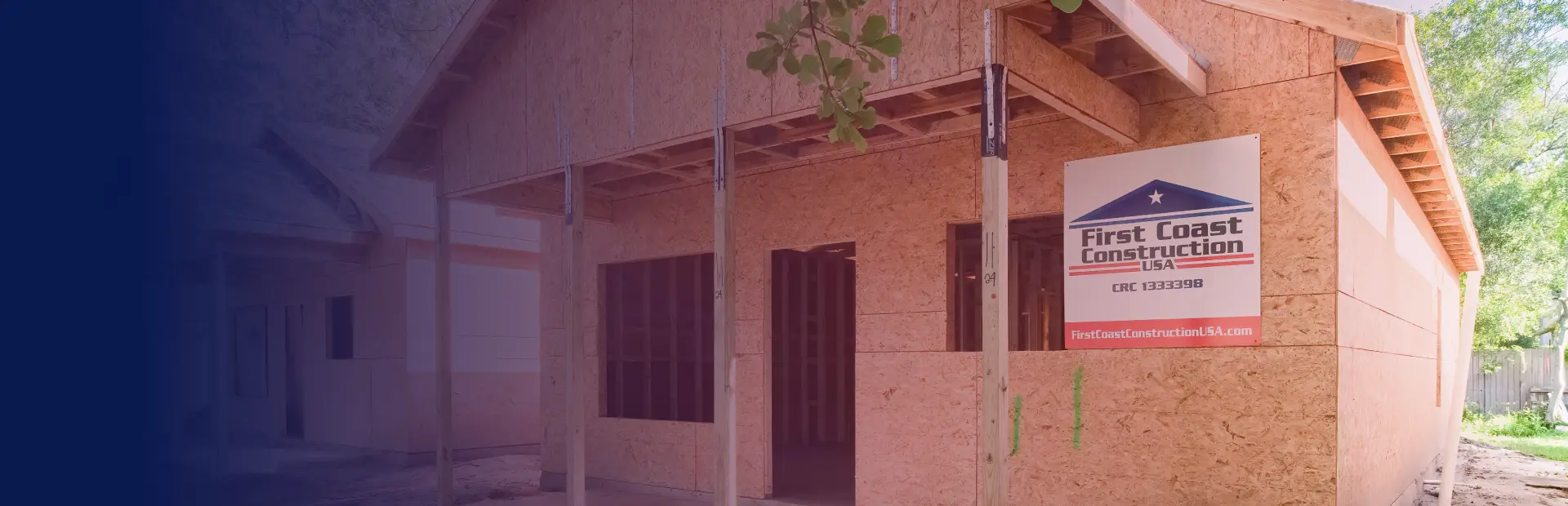
6. Framing and Structural Build (3 to 5 Weeks)
Framing is one of the most exciting parts of the ADU construction timeline because the structure becomes visible quickly. This phase includes:
- Wall framing
- Roof construction
- Window and door openings
- Sheathing installation
At this point, the ADU begins to take shape. Inspections typically occur after framing is completed to ensure structural integrity.
Possible delays:
- Weather interruptions
- Lumber shortages
- Design changes mid-build
7. Rough-In Work (3 to 4 Weeks)
After framing, contractors install essential systems:
- Electrical wiring
- Plumbing lines
- HVAC ductwork
- Insulation
This stage is called “rough-in” because the infrastructure is installed before walls are finished. Multiple inspections usually occur here, which can affect the ADU project timeline.
8. Interior and Exterior Finishes (4 to 8 Weeks)
This phase includes many visible elements that transform the ADU into a livable space:
Interior work:
- Drywall installation
- Painting
- Flooring
- Cabinetry
- Fixtures
Exterior work:
- Siding
- Roofing completion
- Trim and paint
- Exterior lighting
Finishes often take longer than expected because they involve multiple trades working in sequence.
Factors affecting timing:
- Custom cabinetry
- Specialty finishes
- Appliance availability
9. Final Inspections and Punch List (1 to 2 Weeks)
Before you can move in, the ADU must pass final inspections. These ensure that all systems meet building codes and safety standards.
This stage includes:
- Final electrical inspection
- Plumbing inspection
- Building inspection
- Certificate of occupancy
The contractor will also complete a “punch list,” addressing minor items like paint touch-ups or hardware adjustments.
10. Move-In and Project Completion (1 Week)
Once approvals are granted, your ADU is ready for occupancy. You can now:
- Furnish the space
- Set up utilities
- Prepare for tenants or guests
- Enjoy your new living area
At this point, the timeline for building an ADU is complete.
Total ADU Build Time: What to Expect
Here’s a realistic summary of the entire process:
- Planning: 2–4 weeks
- Design: 4–8 weeks
- Permits: 4–12 weeks
- Construction: 12–20 weeks
- Final steps: 1–2 weeks
Total estimated ADU build time: 6 to 12 months
This timeline may be shorter for prefab ADUs or longer for highly customized designs.
Factors That Can Speed Up or Delay Your ADU Timeline
Several variables influence how long does it take to build an ADU, including:
Factors that may speed up the project:
- Pre-approved ADU plans
- Simple rectangular design
- Experienced contractor
- Favorable weather conditions
- Fast permit approvals
Factors that may cause delays:
- Complex architectural features
- Sloped or difficult terrain
- Permit backlogs
- Material shortages
- Frequent design changes
Understanding these variables helps you prepare for potential adjustments.
Tips to Keep Your ADU Project on Schedule
To stay within your expected ADU construction timeline, consider these strategies:
- Finalize your design before submitting permits
- Hire professionals with ADU experience
- Order materials early
- Maintain clear communication with your contractor
- Avoid mid-project changes
Being proactive can reduce delays and keep your project moving smoothly.
Final Thoughts
So, how long does it take to build an ADU? While timelines vary, most projects take between 6 and 12 months from start to finish. By understanding each stage of the ADU project timeline, you can plan effectively, set realistic expectations, and avoid unnecessary delays.
Whether you’re building an ADU for rental income, multigenerational living, or additional space, patience and preparation are key. With the right team and a clear plan, your new ADU can become a valuable and functional addition to your property.