This is paragraph text. Click it or hit the Manage Text button to change the font, color, size, format, and more. To set up site-wide paragraph and title styles, go to Site Theme.
New Paragraph
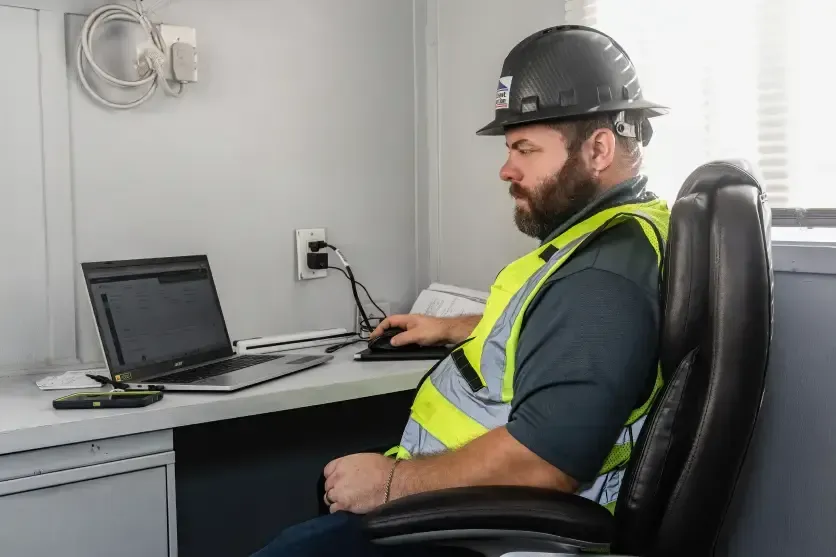
Construction projects can feel overwhelming, especially for property owners who have never managed a build before. Between permits, scheduling trades, material deliveries, inspections, and budgets, there are many moving parts that must line up at the right time.
That is where construction project management plays a critical role. Instead of reacting to problems as they come up, a managed project follows a clear plan that keeps work organized from start to finish.
Here in St. Augustine, FL, construction often comes with unique challenges. Historic neighborhoods, coastal weather patterns, and local building requirements can all affect timelines and decisions.
Without proper oversight, small delays can turn into major setbacks. A missed inspection or late delivery does not just slow progress, it can increase costs and create stress for property owners who just want the job done right.
Construction project management focuses on planning ahead, coordinating people, and tracking progress so each phase flows into the next. Think of it like having a steady hand guiding the project, making sure the foundation is ready before framing starts, materials arrive before crews show up, and inspections are scheduled on time. When everything is organized, the build stays predictable and easier to manage.
This blog breaks down how construction project management works and why it matters. If you have ever wondered: What does a project manager do for a construction company? Or, how professional oversight helps projects stay on track, the sections below will give you clear, practical answers in plain language.
What Construction Project Management Really Means
Construction project management is the process of planning, coordinating, and overseeing every stage of a build. It connects the vision of the property owner with the day to day work happening on site. Instead of juggling tasks yourself, a project manager keeps everything moving in the right order.
Many property owners ask: What does a construction project manager do? And the answer is simple. They organize the work so nothing important gets missed. From the first planning meeting to the final walkthrough, they make sure each step supports the next one.
Key parts of construction project management include:
- Project Planning: Defining the scope, timeline, and budget before work begins to avoid surprises later.
- Scheduling Trades: Coordinating crews so the right people are on site at the right time.
- Material Coordination: Ordering and tracking materials so delays are minimized.
- Progress Tracking: Monitoring daily work to keep the project aligned with the plan.
In St. Augustine, FL,where weather and permitting can impact schedules, this level of organization helps keep projects steady and predictable.
Planning Sets the Foundation for Success
A successful build starts long before the first piece of equipment arrives. Planning is the backbone of project management in building construction. Without it, projects often face confusion, rework, or delays that could have been avoided.
During the planning phase, goals are clearly defined. This includes how the space will be used, what materials are required, and how long each phase should take. It also accounts for local conditions like soil types, drainage concerns, and coastal exposure common in Northeast Florida.
Strong planning focuses on:
- Clear Scope Definition: Outlining exactly what is included so expectations stay aligned.
- Realistic Timelines: Setting schedules that consider inspections, weather, and material lead times.
- Budget Forecasting: Tracking costs early to help control spending throughout the project.
When planning is handled properly, decisions feel less rushed and the entire build moves forward with purpose instead of guesswork.
Scheduling Keeps Projects Moving Forward
Scheduling is one of the most visible parts of project management in construction. A well built schedule keeps crews productive and reduces downtime. Without it, projects can stall while waiting on people or materials.
In practice, scheduling means lining up tasks in the right sequence. For example, framing cannot start until the foundation is inspected, and finishes cannot begin until rough systems are approved. A project manager watches these dependencies closely.
Effective scheduling includes:
- Task Sequencing: Arranging work in the proper order to prevent conflicts.
- Crew Coordination: Making sure trades arrive when the site is ready for them.
- Milestone Tracking: Checking progress against planned benchmarks.
In St. Augustine, FL, where inspections and weather can affect timing, proactive scheduling helps keep the project flexible without losing momentum.
Budget Control Without Constant Stress
Staying within budget is one of the biggest concerns for property owners. Construction project management helps by tracking costs throughout the build, not just at the end. This approach allows adjustments to be made early rather than reacting to overruns later.
Budget control is not about cutting corners. It is about understanding where money is being spent and why. When costs are monitored regularly, there is better clarity and fewer financial surprises.
Budget management often includes:
- Cost Tracking: Monitoring expenses as work progresses.
- Change Management: Reviewing adjustments before they affect the bottom line.
- Vendor Coordination: Aligning pricing and schedules with suppliers and trades.
When handled properly, budget oversight supports steady progress and informed decisions rather than last minute scrambles.
Communication Keeps Everyone Aligned
Clear communication is a defining feature of effective construction project management. When information flows smoothly, problems are addressed faster and decisions are easier to make. This is especially important when multiple trades and stakeholders are involved.
A project manager acts as a central point of contact. Instead of property owners fielding calls from multiple directions, updates are organized and shared clearly. This reduces confusion and helps everyone stay focused on the work at hand.
Strong communication practices include:
- Regular Updates: Sharing progress and next steps in clear, simple terms.
- Issue Resolution: Addressing concerns quickly before they escalate.
- Expectation Alignment: Keeping goals and timelines visible throughout the project.
Good communication builds trust and helps projects feel more manageable from start to finish.
Risk Management Protects the Timeline
Every construction project has risks, from weather delays to material shortages. Project management in construction focuses on identifying these risks early and planning around them. Instead of reacting after a delay happens, potential issues are considered ahead of time.
In coastal areas like St. Augustine, FL, planning for weather is a common example. Adjusting schedules or securing materials in advance can help reduce downtime during storms or heavy rain.
Risk management typically involves:
- Early Identification: Recognizing potential challenges before they affect progress.
- Contingency Planning: Preparing alternatives to keep work moving.
- Ongoing Monitoring: Watching conditions and adjusting plans as needed.
By planning for the unexpected, projects stay more resilient and less stressful.
Why Professional Management Makes a Difference
For many property owners, managing a construction project alone can feel like a second full time job. Professional construction project management brings structure, experience, and consistency to the process. It allows owners to focus on their daily lives while the project stays on track.
This is where the value of project management in building construction becomes clear. With one team overseeing planning, scheduling, communication, and budgeting, the build feels more organized and dependable.
Professional oversight provides:
- Single Point of Coordination: One team managing all moving parts.
- Consistent Oversight: Daily attention to progress and quality.
- Reliable Follow Through: Making sure commitments are met.
For property owners, this level of support often means fewer headaches and clearer expectations throughout the build.
Conclusion
Construction projects do not have to feel chaotic or uncertain. With the right construction project management approach, builds can stay organized, predictable, and easier to navigate. From planning and scheduling to communication and budget control, professional oversight helps align every detail with the original vision.
At First Coast Construction USA, we believe reliable management is the key to successful builds in St. Augustine, FL. If you are considering a project and want to understand how structured planning can support your goals, a simple conversation can help clarify your next steps.
Call 904-400-3121 to schedule a consultation and learn how dependable project management can support your construction plans.